
For consumers across the United States and Canada, the smartphone market has reached a new peak of innovation. At NexusCellular, we go beyond marketing claims to deliver a real-world technical audit—covering performance, AI capabilities, camera precision, and long-term value
In this comparison, we analyze the three most anticipated flagship devices of 2026 based on industry leaks, early benchmarks, and ecosystem performance to help you make the smartest buying decision
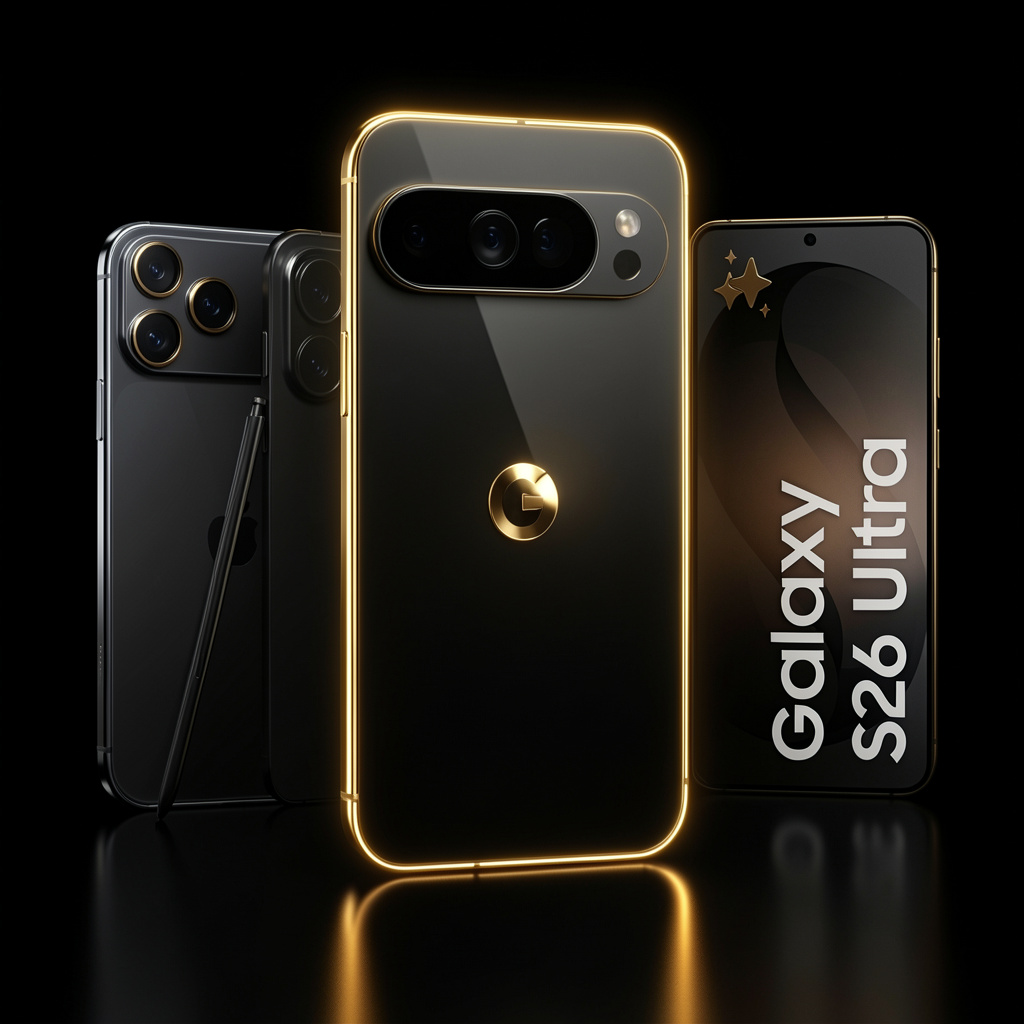
Performance and Next-Gen Processing
At the core of every flagship device lies its silicon architecture. Performance is no longer just about speed—it’s about efficiency, AI processing, and real-world stability
- Samsung Galaxy S26 Ultra → Powered by Snapdragon 8 Gen 5 (for Galaxy), optimized for heavy multitasking and advanced AI workflows
- iPhone 17 Pro Max → Equipped with the A19 Pro chip, delivering unmatched gaming performance and ultra-efficient power management
- Google Pixel 10 Pro → Runs on Tensor G5, designed for AI-first experiences like real-time translation and smart automation
Display and Durability (Built for Real-World Use)
Display quality defines the daily user experience. In 2026, brightness, durability, and material engineering have reached new heights
Samsung leads with an industry-breaking 3,000 nits brightness, making it ideal for outdoor visibility across North America. All three devices feature Grade 5 Titanium frames paired with next-generation ceramic glass, ensuring durability for demanding environments
Winner: Samsung Galaxy S26 Ultra (Brightness & Display Technology)
Camera Comparison (NexusCellular Technical Audit)
| Feature | Samsung S26 Ultra | Iphone 17 Pro Max | Pixel 10 Pro |
| Main Sensor | 320MP | 48MP | 50MP |
| Zoom | 10x Optical | 6x Tetraprism | 10x AI Zoom |
| Video | 8K | Pro Video (Dolby vision) | AI Enhanced Video |
| AI Processing | Advanced | Optimized | Best-in-class |
Why This Matters for North American Users
Smartphone performance varies depending on network optimization, resale value, and real-world productivity. These factors are especially critical for users in the United States and Canada
- Carrier Optimization → Fully compatible with Verizon, T-Mobile, AT&T, Rogers, and Bell networks
- Resale Value → iPhone maintains over 60% value after 12 months in North America
- AI Productivity → Pixel and Samsung dominate in real-time AI tools for business and communication
Final Verdict: Which One Should You Buy?
- Best Overall: iPhone 17 Pro Max (stability, performance, ecosystem)
- Best for AI & Power Users: Samsung S26 Ultra (AI + display + multitasking)
- Best Camera & Smart Features: Pixel 10 Pro (AI photography + automation)
Pros and Cons
- Samsung Galaxy S26 Ultra
- ✔️ Best display in the industry
- ✔️ Powerful AI multitasking
- ❌ Expensive and large
- iPhone 17 Pro Max
- ✔️ Stable performance and long-term support
- ✔️ High resale value
- ❌ Limited customization
- Google Pixel 10 Pro
- ✔️ Best AI camera system
- ✔️ Smart features and automation
- ❌ Battery performance slightly weaker
Check Latest Prices (USA & Canada)
If you’re ready to invest in a flagship smartphone, check the latest verified prices and deals below
Frequently Asked Questions
Q: Which flagship phone is best in 2026?
A: iPhone leads in stability, Samsung in display and power, while Pixel dominates AI features
Q: Which phone is best for Canada users?
A: All three devices are optimized for major Canadian carriers like Rogers and Bell
Q: Which phone is best for gaming?
A: The iPhone 17 Pro Max offers the most stable gaming performance
Internal Linking
For a deeper technical breakdown, explore our full analysis of flagship performance and architecture in our previous articles
Leave a Reply